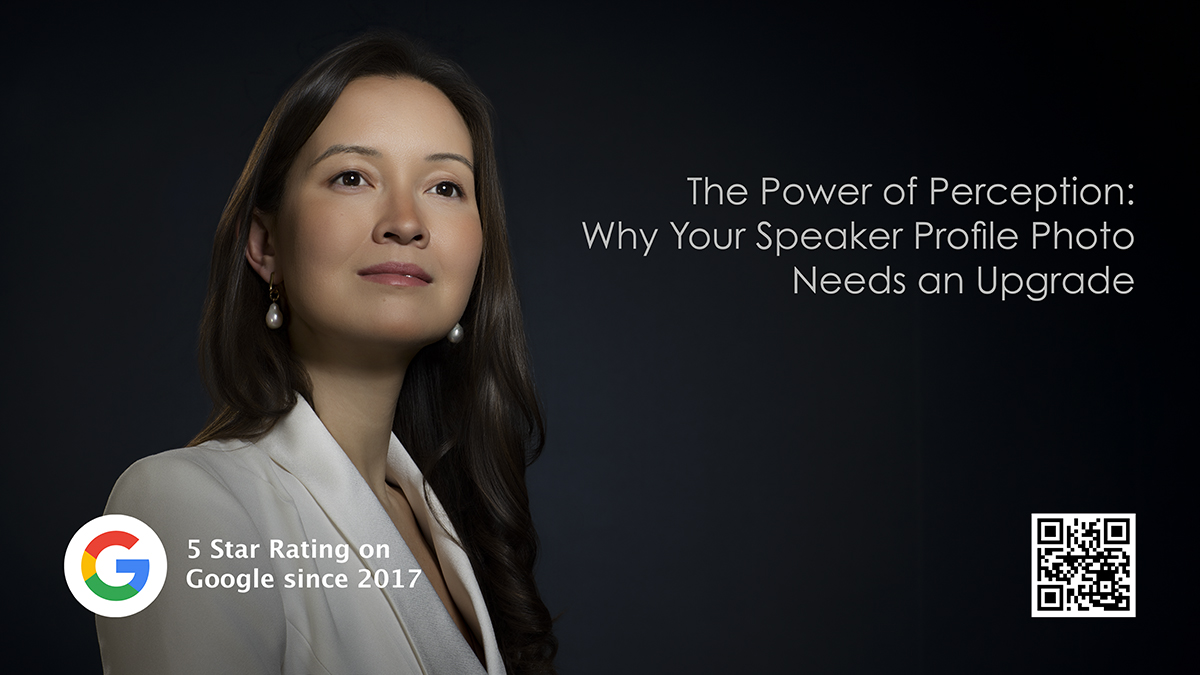
Your biography might be impressive. Your slide deck might be a work of art. But before an event organizer reads a single word of your bio or an audience member hears your opening line, they see your face.
In the speaking industry, your profile photograph is often the first handshake. It sets the tone, establishes credibility, and silently communicates your personal brand. Yet, too many talented speakers rely on outdated headshots, cropped wedding photos, or stiff corporate portraits that fail to capture their energy.
Investing in exceptional speaker profile photography isn’t vanity; it’s a strategic business move. This post explores why upgrading your visual assets is critical and why a single “good photo” is no longer enough.
The Psychology Behind the Headshot

Humans are visual creatures. We process images 60,000 times faster than text. When an event planner or attendee glances at a speaker lineup, they make snap judgments based on visual cues. A high-quality, professional image signals competence, confidence, and professionalism.
Conversely, a blurry or poorly lit photo suggests a lack of attention to detail. If you don’t care enough to present yourself well, will you care enough to deliver a stellar presentation? This might seem unfair, but it is the reality of personal branding.
Your photo does heavy lifting in three key areas:
- Trust: A polished image builds immediate trust. It shows you are an established professional who invests in your career.
- Connection: A genuine smile or an engaging expression creates a sense of approachability. The audience feels like they know you before you even step on stage.
- Differentiation: In a crowded marketplace, a unique, high-quality image helps you stand out from other speakers who might be pitching for the same slot.
One Look Does Not Fit All
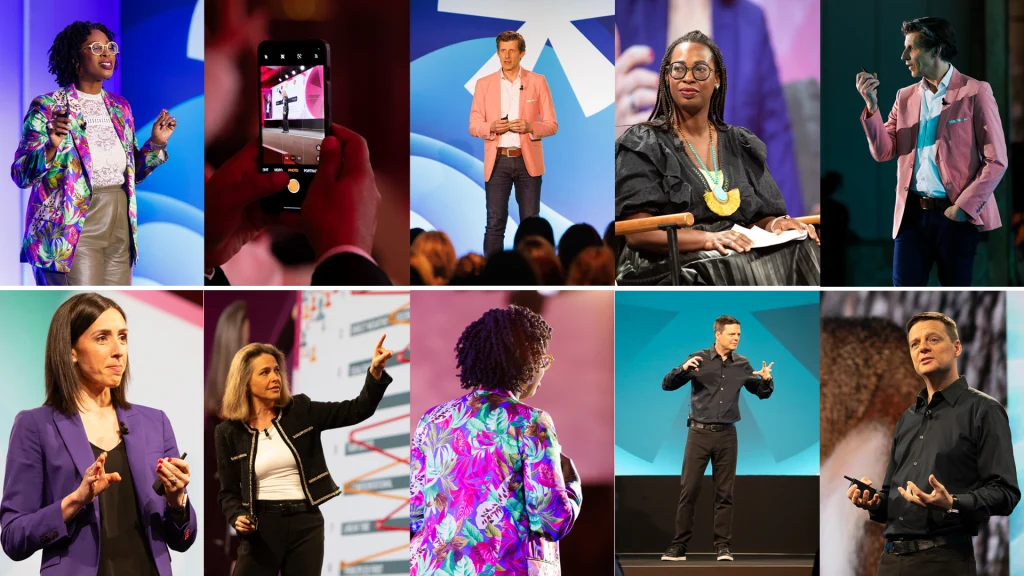
Here lies the common mistake: speakers often pay for one great headshot session, get “The Photo,” and use it everywhere. They use the same image for a keynote at a tech conference in Silicon Valley as they do for a workshop at a creative retreat in Bali.
This approach limits your opportunities. Different audiences and events have different vibes, expectations, and visual languages.

Tailoring Your Image to the Audience
A corporate banking summit likely expects a speaker who looks authoritative, perhaps in a suit or sharp blazer. The lighting should be clean, and the background neutral. However, if you use that same stiff corporate photo for a dynamic youth leadership conference, you might alienate your audience before you arrive. They might perceive you as “out of touch” or “too corporate.”
Having a library of images allows you to match your visual brand to the specific context of the event.
- The Authority Shot: Perfect for corporate training, board meetings, and industry keynotes. Think structured clothing, strong posture, and direct eye contact.
- The Creative Shot: Ideal for design conferences, innovation summits, or workshops. This might involve more colorful clothing, a relaxed posture, or an interesting, textured background.
- The Action Shot: Nothing proves you are a speaker like a photo of you actually speaking. These shots show your energy, your interaction with the crowd, and your command of the stage.

Building Your Visual Library: Practical Tips
So, how do you go about creating a diverse portfolio of images that covers all these bases? It requires more planning than just showing up to a studio.
1. Collaborate with the Right Photographer
Don’t just hire a “headshot photographer.” Look for a personal branding photographer. These professionals understand marketing. They don’t just want to make you look pretty; they want to help you sell your services. Have a consultation before the shoot to discuss your target audiences and the different “characters” or facets of your personality you want to show.
2. Plan for Variety in Wardrobe and Setting
Bring multiple outfits. Pack a formal option, a business-casual look, and something that feels authentically relaxed. Ask your photographer about shooting in different locations. A studio backdrop is safe, but an outdoor setting or a modern office environment adds context and variety to your library.
3. Capture the “In-Between” Moments
Staged smiles can look rigid. Ask your photographer to keep shooting while you are talking, laughing, or explaining a concept. Often, the best photos happen in the moments between the poses. These candid shots feel more authentic and are excellent for social media promotion, where audiences crave authenticity over perfection.
4. Prioritize “Negative Space”
This is a technical tip that event organizers will love you for. Ask for photos where you are positioned to one side of the frame, leaving empty space (negative space) on the other side. This allows designers to easily overlay text—like the event name, date, or your talk title—without covering your face. Providing these “design-ready” images makes you a dream to work with.
The ROI of Exceptional Photography
Upgrading your speaker profile photos is an investment that pays dividends.
When you send an event organizer a link to a folder containing high-resolution, diverse, and professionally edited images, you solve a problem for them. You make their marketing materials look better. You make their website look more professional. In turn, they are more likely to feature you prominently in their promotional campaigns.
Better photos lead to better placement in brochures, more clicks on social media ads, and ultimately, higher perception of value. It justifies your fee. It tells the world that you are not just someone with a microphone, but a brand worth listening to.
Conclusion
Your face is your logo. It appears on conference websites, digital flyers, LinkedIn posts, and large screens behind the stage. Don’t let a mediocre photo dilute the power of your message.
Take a critical look at your current profile photos. do they represent the speaker you are today? Do they speak to the diverse audiences you want to reach? If the answer is no, it’s time to book that shoot. Invest in a library of images that showcases your versatility, authority, and humanity. Your future audience is watching.